In short
Cool a firecracker burn under running water for 20 minutes and put nothing else on it. An eye injury is different: do not rub it, do not rinse an eye that is cut or pierced, shield it and go straight to emergency care.
Emergency if: Any eye injury from a firework, a large or deep burn, a burn on the face, genitals or bottom, or a burn from a chemical or electricity, or anyone who breathed in smoke or has trouble breathing, burned lips or mouth, a hoarse voice or signs of shock: go to the emergency department or call emergency services now. Shield an injured eye and do not rinse it unless a chemical clearly splashed into it with no blast injury or cut.
On this page
01
Why eyes and hands get hurt at Diwali
Every festival season brings a wave of firecracker injuries. Eye doctors at AIIMS New Delhi reported 190 firecracker and carbide gun eye injuries during Diwali 2025, 19% more than the 160 seen over the 10-day Diwali period in 2024, according to a press conference covered by the IANS news agency. About 60 children needed eye surgery, and 18 to 20 of the injuries were caused by carbide guns.
The American Academy of Ophthalmology explains why these injuries are so damaging: a firework can combine blunt force, heat and chemicals in one blast, and can rupture the eyeball, burn the eye's surface or detach the retina, all of which can cause permanent loss of sight. Bystanders, especially children, are at high risk even when they are not lighting anything. Sparklers, often handed to children as the safe option, burn at more than 2,000°F, which is over 1,000°C.
02
An eye injury: the first minutes
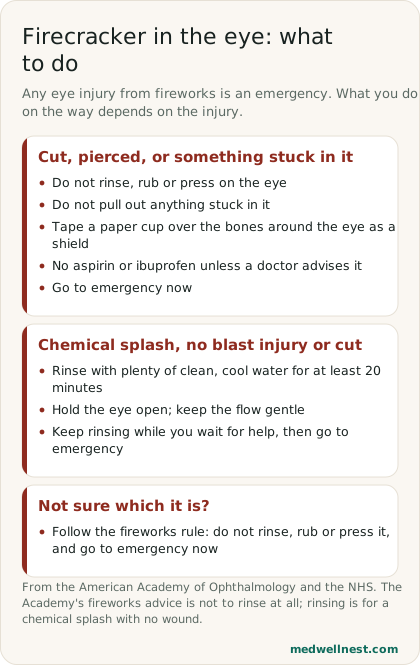
The Academy treats any eye injury from fireworks as a medical emergency. While you get to emergency care, do not rub the eye, do not rinse it, do not press on it, and do not try to remove anything stuck in it. Do not put ointment in it, and avoid aspirin or ibuprofen for the pain unless a doctor advises them, because they thin the blood and may increase bleeding.
If the eye is cut or pierced, the Academy advises protecting it with a shield that does not press on it. The bottom of a paper cup, taped to the bones around the eye, works until you reach medical help. Go to an emergency department or an eye hospital with an emergency service, and do not wait to see whether it settles.
03
Chemicals and powder in the eye
A chemical splash is the one situation where water helps. The NHS advises holding the eye open and running plenty of clean, cool water over it for at least 20 minutes, with a gentle flow, and to keep rinsing while you wait for medical help. The Academy's general eye-injury advice is also to flush a chemical splash immediately with plenty of clean water and then seek emergency treatment. Doctors at AIIMS described severe injuries resembling chemical burns from carbide-based crackers during Diwali 2025.
The difficulty with fireworks is that you often cannot tell what happened. The Academy's fireworks advice is not to rinse at all, because the same blast that throws powder can also cut or rupture the eye. So rinse only when a chemical has clearly splashed into an eye that was not hit by a blast and is not cut, pierced or bleeding. If you cannot tell, do not rinse: protect the eye and go.
04
A burn on the skin
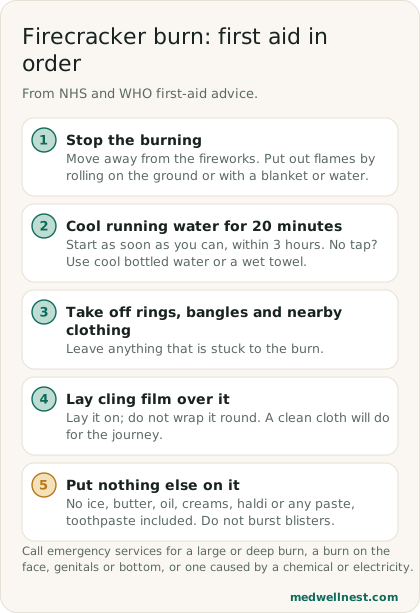
First stop the burning. The WHO advises putting out flames by rolling on the ground or smothering them with a blanket or water, and getting away from the source. Then hold the burn under cool running water for 20 minutes, starting as soon as possible and within 3 hours, according to the NHS. If there is no tap, cool bottled water or a wet towel will do.
Take off rings, bangles, watches and clothing near the burn, but leave anything that is stuck to it. Once the burn is cooled, lay cling film over it rather than wrapping it round, or cover it with a clean cloth for the journey. The WHO also warns against cooling for too long, which can chill the body dangerously, so keep the rest of the person warm.
Put nothing else on a burn. The NHS says no creams, oils or butter, and the WHO adds no ice, which deepens the injury, and no paste, oil, haldi (turmeric) or raw cotton. Toothpaste is a paste and does not belong on a burn either. Do not burst blisters. For general burn care at home, see our guide to first aid for burns.
05
When a burn needs hospital care
The NHS advises calling emergency services or going straight to an emergency department for a burn that is very large or deep, one on the face, genitals or bottom, or one caused by a chemical or by electricity. MedlinePlus adds that anyone who breathed in smoke, has difficulty breathing, burned lips or mouth or a change in voice, or shows signs of shock needs emergency help. Any burn together with an eye injury needs emergency care for the eye.
Small, shallow burns can usually be managed at home and take around 2 weeks to heal, the NHS says. If you are not sure how serious a burn is, get medical advice the same day rather than waiting.
06
Safer celebrations
The Academy's advice is simple: the safest option is a public display run by professionals. If fireworks are lit at home, everyone lighting them and everyone watching should wear protective eyewear, young children should not be allowed to handle fireworks, sparklers included, and older children and teenagers need close adult supervision at all times.
After the 2025 injuries, the eye specialists at AIIMS called for hazardous carbide-based and home-assembled crackers to be banned and for public education on eye protection and first aid. Leave carbide guns and homemade devices alone, and keep a clear distance from anything being lit.
When to act
Routine — see a doctor
A small, shallow burn that is red and sore but not on the face, genitals or bottom: cool it for 20 minutes, cover it loosely and let it heal, which usually takes around 2 weeks.
Same-day — call promptly
A burn you are not sure about, or one that is getting worse rather than better: get medical advice today.
Emergency — act now
Any eye injury from a firework, a large or deep burn, a burn on the face, genitals or bottom, or a burn from a chemical or electricity, or anyone who breathed in smoke or has trouble breathing, burned lips or mouth, a hoarse voice or signs of shock: go to the emergency department or call emergency services now. Shield an injured eye and do not rinse it unless a chemical clearly splashed into it with no blast injury or cut.
Sources
Share this story
Curious where your own values stand?
Two minutes from upload to a full visual picture. Free to analyze.