In short
Bright red blood on paper usually comes from the anus or rectum, such as piles or a small tear; black tarry stool usually means bleeding higher up. Beetroot, iron tablets and bismuth can look like blood. Black tarry stool, a lot of blood or dizziness is an emergency; blood in your stool for 3 weeks needs a doctor.
Emergency if: You pass black, tarry stools, a lot of blood or large clots, the toilet water turns red, or you are bleeding non-stop; or you vomit blood or something like coffee grounds; or you feel dizzy, faint, short of breath or have chest pain or severe tummy pain with bleeding: call emergency services now or go to an emergency department now. Do not drive yourself. MedlinePlus and the NHS both list these as emergencies, and NIDDK says shock with confusion, a fast heart rate, pale skin or cold sweaty skin needs emergency help right away.
On your report
Hemoglobin, Ferritin
On this page
01
What does the colour of blood in my stool mean?
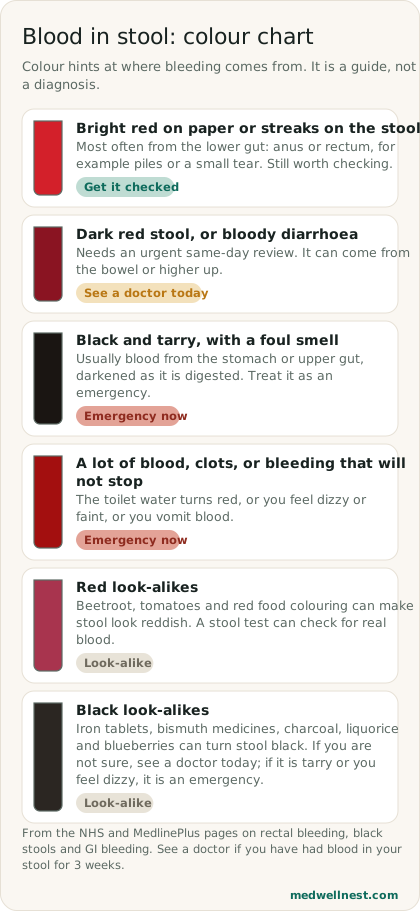
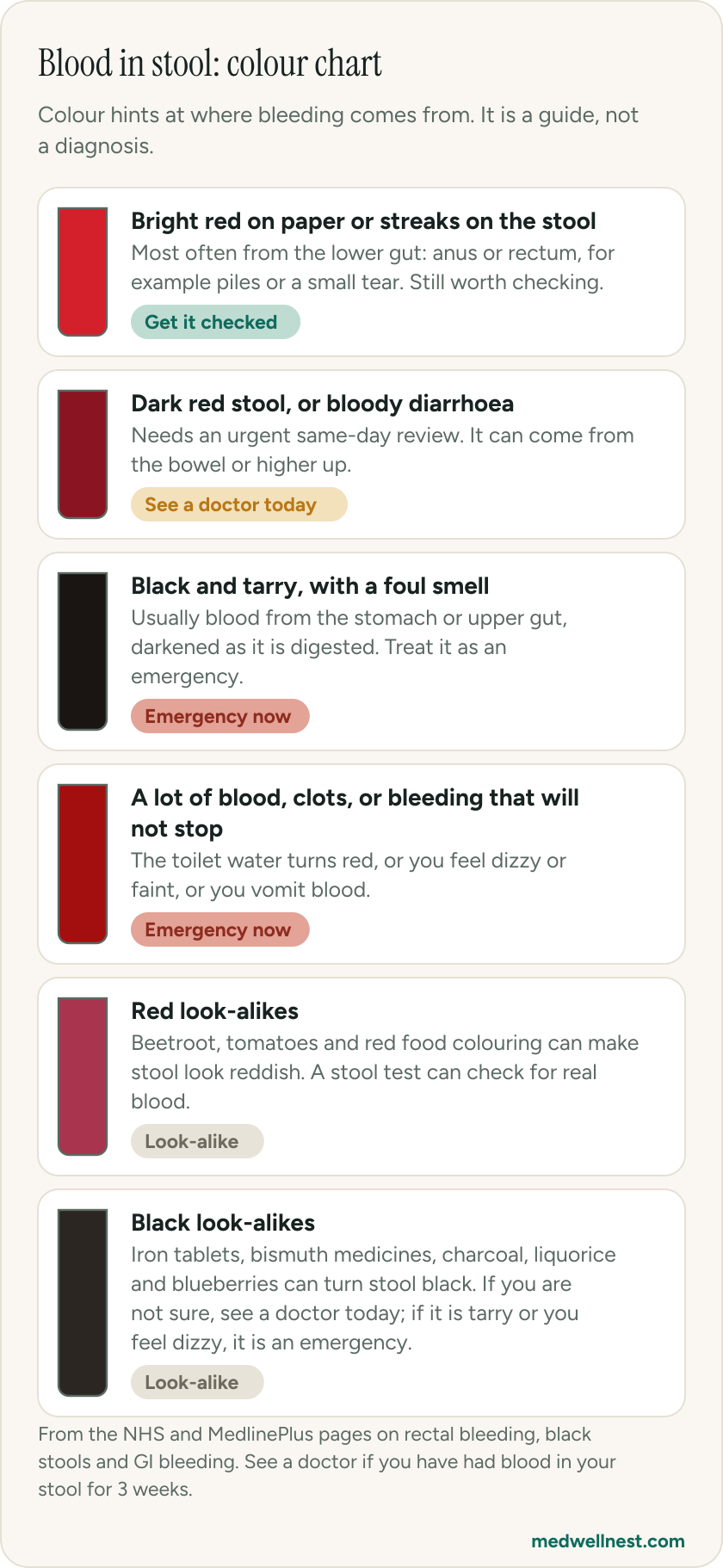
The colour gives a clue about where the blood comes from. MedlinePlus says red or fresh blood in the stool, rectal bleeding, is most often a sign of bleeding from the lower gut: the colon, rectum or anus. Black or tarry stools with a foul smell, called melena, are a sign of a problem in the upper digestive tract, most often bleeding in the gullet, stomach or first part of the small intestine, where the blood is darker because it is digested on its way through.
The NHS lists the signs of bleeding from the bottom as blood on toilet paper, red streaks on the outside of the stool, pink water in the toilet, blood in the stool or bloody diarrhoea, and very dark stool, which can be blood mixed in. It says a small amount of one-off bleeding is not usually serious and can go away on its own, but should be checked. Colour is only a guide: NIDDK says chronic bleeding can be so small that you cannot see it, and the NHS says not to self-diagnose.
02
Bright red blood on toilet paper: is it piles, a tear or something else?
The NHS ties bright red blood to a few common causes. Bright red blood with pain when passing stool, an itchy bottom or lumps fits piles (haemorrhoids). Bright red blood with pain, often after constipation, fits a small tear in the anus (anal fissure). Bright red blood without pain can be a side effect of blood-thinning medicines such as warfarin and apixaban, or of aspirin, or come from broken blood vessels in the gut. MedlinePlus lists anal fissure and haemorrhoids as causes of gastrointestinal bleeding that are not serious. Our guides to haemorrhoids and anal fissure explain them.
But the NHS also says bleeding from the bottom is sometimes a sign of bowel cancer, and that it is easier to treat when found early. NIDDK adds polyps, benign tumours or cancer in the colon or rectum, inflamed colon, and bleeding pouches in the colon wall to the list of lower gut causes. So bright red blood on the paper does not prove piles. It is reasonable to get it checked, especially if it comes back or lasts, as the next sections explain.
03
Black stool: is it iron tablets or bleeding? What about beetroot and tomato?
Some things change the colour without bleeding. MedlinePlus says black licorice, blueberries, blood sausage, iron pills, activated charcoal and medicines that contain bismuth (bismuth subsalicylate) can make stools black, and that beets and foods with red colouring can make them look reddish. The NHS says stool can look mixed with blood after a lot of red or purple foods such as tomatoes and beetroot, and look very dark or black after iron tablets or dark foods such as liquorice and blueberries, but that this is sometimes a sign of something else. A stool test can check for real blood.
Treat black stool as bleeding if you are not sure, and see a doctor today; treat it as an emergency if it is tarry with a foul smell, or you feel dizzy. MedlinePlus says to call for emergency help for black, tarry stools. The NHS lists a stomach ulcer, bleeding in the stomach or gut from injury, and blood-thinner medicines or aspirin as causes of dark or black stool. Our story on peptic ulcers explains one of the most common causes of bleeding from the upper gut.
04
When is blood in stool an emergency?
MedlinePlus says to call emergency services or go to the nearest emergency room if you have black, tarry stools, a lot of blood in the stool, vomit blood or vomit that looks like coffee grounds, feel lightheaded or dizzy from the bleeding, have chest pain or trouble breathing, or have severe abdominal pain with bleeding. The NHS says to go to an emergency department or call emergency services if you are bleeding non-stop or there is a lot of blood, for example the toilet water turns red or you see large blood clots. Do not drive yourself; ask someone to drive you or call for an ambulance.
NIDDK explains why. Acute bleeding can be severe, and symptoms such as fainting, dizziness, a fast heart rate, pale skin, cold hands and feet, sweating, confusion or unconsciousness mean the body is going into shock, which is life-threatening. NIDDK says to seek emergency medical help right away for shock. Take your medicines or a list of them with you, because blood-thinners and anti-inflammatory painkillers matter to the doctors treating you.
05
Dark red blood or bloody diarrhoea: how fast should I see a doctor?
The NHS puts black or dark red stool, and bloody diarrhoea, in the urgent group: ask for an urgent appointment the same day. MedlinePlus puts black, tarry stool in the emergency group, so treat black tarry stool as an emergency. For a small amount of blood with no other symptoms the NHS says to see a doctor if you have had blood in your stool for 3 weeks, if the stool has been softer, thinner or longer than usual for 3 weeks, or if you have a lot of pain around the bottom, a pain or lump in the tummy, unusual tiredness or weight loss for no reason. If your child has blood in the stool, the NHS says to see a doctor; MedlinePlus says in children a small amount is most often not serious and constipation is the usual cause, but to tell the child's doctor.
At the visit the NHS says the doctor may examine the bottom with a gloved finger, ask for a stool sample, or refer you to a specialist for tests such as a colonoscopy. NIDDK says bleeding over a long time can cause anaemia, with tiredness, pale skin and shortness of breath, so tell the doctor about those too. Our story on colonoscopy and polyp reports explains what those tests find.
06
Does my age change what the doctor will do? What does NICE say about rectal bleeding?
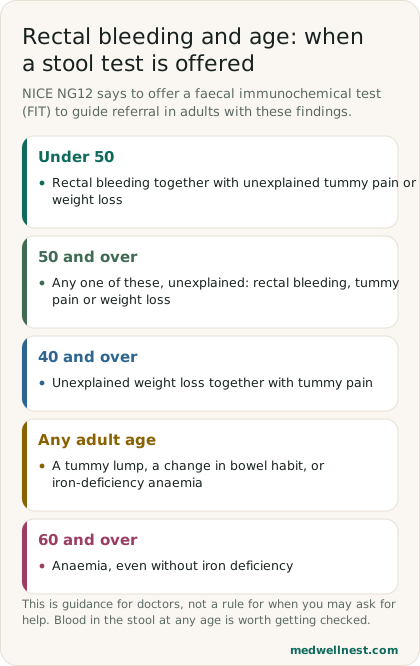
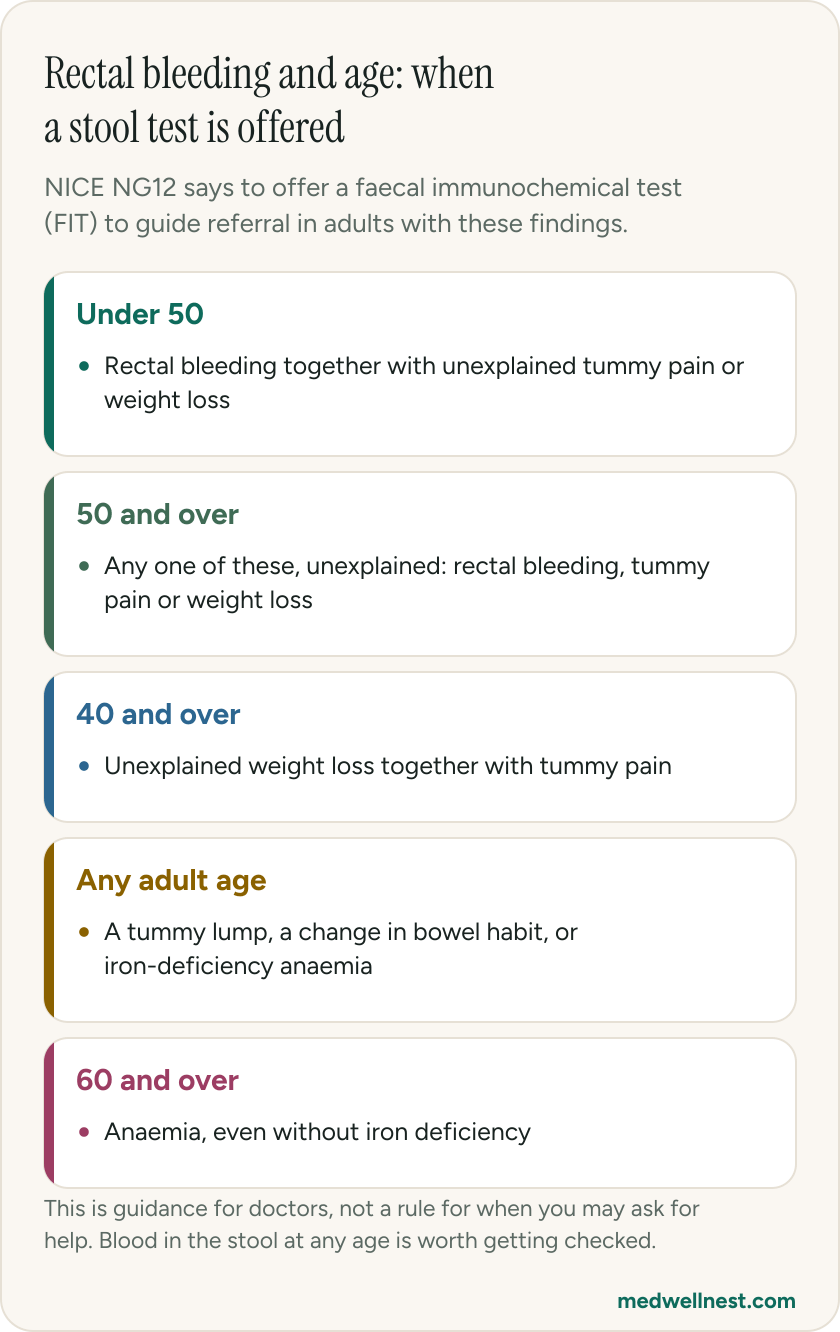
NICE NG12 is guidance for doctors on when to suspect cancer. It says to offer a faecal immunochemical test (FIT), a stool test for hidden blood, to guide referral for suspected bowel cancer in adults with a tummy lump, a change in bowel habit or iron-deficiency anaemia. By age: for adults aged under 50, rectal bleeding together with unexplained tummy pain or weight loss; for aged 50 and over, any one of unexplained rectal bleeding, tummy pain or weight loss; for aged 40 and over, unexplained weight loss with tummy pain; and for aged 60 and over, anaemia even without iron deficiency.
NICE also says people with a rectal mass, an unexplained anal mass or unexplained anal ulceration do not need FIT before referral is considered. This is not a rule for when you may seek help. The NHS says some of the symptoms are very common and do not definitely mean bowel cancer, but it is important to get checked, because finding bowel cancer early can make it easier to treat. Our story on colorectal cancer covers the next steps.
When to act
Emergency — act now
You pass black, tarry stools, a lot of blood or large clots, the toilet water turns red, or you are bleeding non-stop; or you vomit blood or something like coffee grounds; or you feel dizzy, faint, short of breath or have chest pain or severe tummy pain with bleeding: call emergency services now or go to an emergency department now. Do not drive yourself. MedlinePlus and the NHS both list these as emergencies, and NIDDK says shock with confusion, a fast heart rate, pale skin or cold sweaty skin needs emergency help right away.
Same-day — call promptly
Your stool is black or very dark and you do not take iron tablets or bismuth medicines, or it is dark red, or you have bloody diarrhoea: ask for an urgent appointment today. The NHS says black or dark red stool and bloody diarrhoea need urgent advice. If the black stool is tarry and foul-smelling, or you feel dizzy or faint, treat it as an emergency.
Routine — see a doctor
You have a little bright red blood on the paper or streaks on the stool, with no other symptoms: see a doctor. The NHS says one-off bleeding is not usually serious, but blood in your stool for 3 weeks, a change in your stool for 3 weeks, pain around the bottom, a lump or pain in the tummy, unusual tiredness or weight loss for no reason all need a visit. Ask about piles, a tear, a FIT stool test, and a check for anaemia, and bring a list of your medicines, especially blood thinners and painkillers.
Values mentioned in this story
Each one opens a visual guide with its normal range and what moves it — upload a report and we place your own numbers on the same scale.
Sources
- Bleeding from the bottom (rectal bleeding) — NHSnhs.uk
- Symptoms of bowel cancer — NHSnhs.uk
- Suspected cancer: recognition and referral (NG12) — NICEnice.org.uk
- Gastrointestinal bleeding — MedlinePlus Medical Encyclopediamedlineplus.gov
- Black or tarry stools — MedlinePlus Medical Encyclopediamedlineplus.gov
- Symptoms and causes of GI bleeding — NIDDKniddk.nih.gov
Share this story
Curious where your own values stand?
Two minutes from upload to a full visual picture. Free to analyze.