In short
Pale straw yellow is normal. Dark yellow often means you need to drink more, and foods, vitamins and medicines can turn urine orange, red or blue. Blood in urine, even once, and clear dark brown urine need a doctor.
Emergency if: Signs of dehydration with blue, grey or blotchy lips or skin, cold skin, difficulty breathing, confusion or being hard to wake, or a urine infection with confusion or drowsiness: call emergency services now.
On your report
Total Bilirubin, Direct Bilirubin, Creatinine, eGFR (Estimated Glomerular Filtration Rate) +2 more
On this page
01
What normal looks like
The usual colour of urine is a pale, straw yellow. Colour is a rough guide, not a diagnosis. The same shade can have a harmless cause in one person and a medical one in another, so the two questions that matter most are whether a change has an obvious explanation, such as a food or a new medicine, and whether it goes away. MedlinePlus advises seeing a doctor about any unusual colour that you cannot explain and that does not go away.
02
The colours at a glance
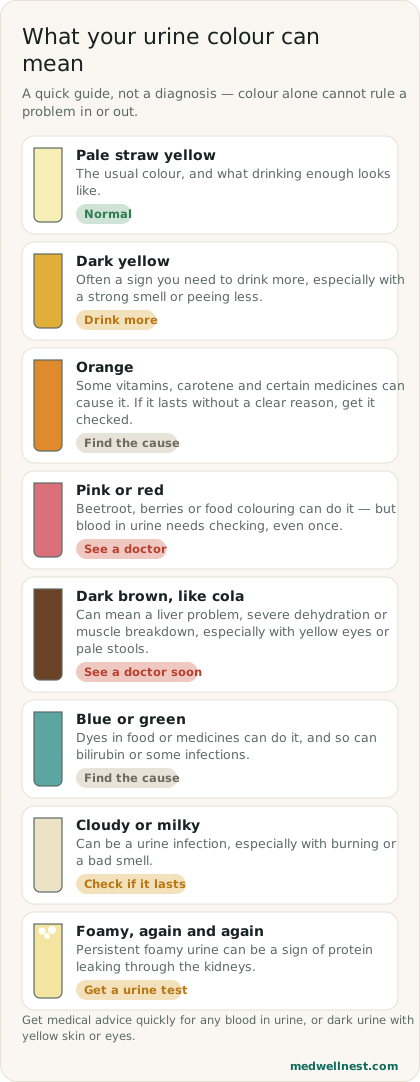
Pale straw yellow is the usual colour. Dark yellow is often a sign you need to drink more. Orange can come from some vitamins, carotene and certain medicines. Pink or red can come from beetroot, berries or food colouring, but it can also be blood, which always needs checking.
Dark brown, like cola, can point to a liver problem, severe dehydration or muscle breakdown. Blue or green can come from dyes in food or medicine, and also from bilirubin or an infection. Cloudy or milky urine can be a urine infection, and urine that is foamy again and again can be a sign of protein leaking through the kidneys.
03
Dark yellow and orange
Dark yellow, strong-smelling urine and peeing less often than usual are among the signs of dehydration the NHS lists, along with thirst, headache, dizziness, tiredness and a dry mouth. The NHS also notes that dark or smelly urine on its own, with no other symptoms, may simply mean you have not been drinking enough. Drink more and see whether it lightens.
Dark yellow or orange urine can also come from things you take. MedlinePlus lists B-complex vitamins and carotene, recent use of laxatives, and some medicines: phenazopyridine, which is used to ease urine infection symptoms, the antibiotic rifampicin (rifampin) and the blood thinner warfarin. If a colour change started with a new tablet, ask your pharmacist or doctor rather than stopping it yourself.
To keep dehydration at bay, the NHS suggests drinking enough through the day that your pee stays a pale colour, and drinking more when the risk is higher: in hot weather, when you exercise, or when you are being sick or have diarrhoea. Children under 5 and older adults are at higher risk. If you are losing fluid through vomiting or diarrhoea, a pharmacist can suggest an oral rehydration solution.
04
Pink, red or brown: when it may be blood
Some pink or red urine is harmless. Beetroot, blackberries and some food colourings can all cause it, and the NHS notes that some medicines can turn urine red or brown, and that blood during a period can get into a urine sample.
But pink, red or brownish urine can also mean a medical problem: bleeding from an injury or disorder of the kidneys or urinary tract, a urine infection, the breakdown of red blood cells (haemolytic anaemia), the condition porphyria, or a tumour in the bladder or kidney. The NHS says blood in urine may look bright pink, red or dark brown and must be checked, because it can be a sign of cancer. It advises an urgent appointment even if you have no other symptoms, it has happened only once, there is only a little, or you are not sure it is blood.
Blood in urine is not usually caused by anything serious, the NHS adds, but only a doctor can tell. Causes it lists include urine infections, kidney stones and, in older men, an enlarged prostate. The doctor will usually test a urine sample, may arrange a blood test, and may refer you to a specialist.
05
Dark brown, blue, green, cloudy or foamy
Clear urine that is dark brown, like cola, deserves attention. MedlinePlus says it can be a sign of a liver problem such as viral hepatitis or cirrhosis, which lets excess bilirubin into the urine. It can also mean severe dehydration, or rhabdomyolysis, a condition in which muscle tissue breaks down. Take it especially seriously if your skin or the whites of your eyes also look yellow, which is jaundice, another sign of excess bilirubin.
Blue or green urine looks alarming. MedlinePlus lists artificial colours in foods or medicines, including the medicine methylene blue, as causes, along with bilirubin and some urine infections. If you cannot link it to a dye in something you ate or took, get it checked.
Cloudy or milky urine can be a sign of a urine infection, especially with a bad smell, pain or burning when you pee, or needing to go more often or more urgently. It can also come from crystals, fat, mucus, or white or red blood cells in the urine. Foamy urine that keeps happening can be a sign of protein leaking from the kidneys, and a simple urine test for protein can check for it.
06
When to see a doctor
See a doctor if you see blood in your urine, even a single time; if your urine is dark brown yet clear; if it turns pink, red or brownish with no food or medicine to explain it; or if an odd colour has no obvious cause and does not clear. With a suspected urine infection, get seen urgently if it is a child aged 15 or under, you are pregnant, a man, aged 65 or over, have diabetes, a weakened immune system or a catheter, have a very high or very low temperature or shivering, have pain in your back just under the ribs, which can mean a kidney infection, or your symptoms are not better within 2 days. Dark yellow urine or peeing less than normal together with unusual tiredness, dizziness on standing that does not go away, or fast breathing or heartbeat can mean serious dehydration and needs urgent advice.
Some situations are emergencies. Call for help straight away if someone with signs of dehydration has blue, grey, pale or blotchy skin, lips or tongue, skin that feels cold, difficulty breathing, confusion, or is sleepier than normal or hard to wake, or if someone with a urine infection becomes confused, drowsy or has difficulty speaking.
When to act
Routine — see a doctor
Dark yellow urine that turns pale once you drink more, or a colour you can link to a food, vitamin or new medicine and that clears up: no action needed beyond drinking enough.
Same-day — call promptly
Any pink, red or brown urine you cannot explain by food or medicine, even once; clear dark brown urine; dark urine with yellow skin or eyes; or cloudy urine with burning, fever or back pain: see a doctor urgently.
Emergency — act now
Signs of dehydration with blue, grey or blotchy lips or skin, cold skin, difficulty breathing, confusion or being hard to wake, or a urine infection with confusion or drowsiness: call emergency services now.
Values mentioned in this story
Each one opens a visual guide with its normal range and what moves it — upload a report and we place your own numbers on the same scale.
Sources
- Urine - abnormal color — MedlinePlusmedlineplus.gov
- Blood in urine — NHSnhs.uk
- Dehydration — NHSnhs.uk
- Urinary tract infections (UTIs) — NHSnhs.uk
- Protein in Urine — MedlinePlusmedlineplus.gov
Share this story
Curious where your own values stand?
Two minutes from upload to a full visual picture. Free to analyze.