In short
UPCR measures protein leaking into the urine from a single sample. Here is how it compares with UACR and the 24-hour urine, the KDIGO cut-offs in mg/g and mg/mmol, the nephrotic range, the 30 mg/mmol pregnancy threshold, and why one high result needs a repeat.
Emergency if: Pregnant or given birth in the last few weeks, with a severe headache, blurred vision or flashing lights, severe pain just below the ribs, heartburn that antacids do not ease, vomiting, sudden swelling of the face, hands or feet, or feeling very unwell: get medical care immediately at your maternity unit or an emergency department. A fit (seizure), trouble breathing or chest pain: call emergency services now. These can be signs of pre-eclampsia, whatever your urine result says.
On your report
Creatinine, eGFR (Estimated Glomerular Filtration Rate), Urine Albumin-to-Creatinine Ratio (UACR), Albumin
On this page
01
What UPCR measures
The urine protein:creatinine ratio, UPCR or PCR, measures the total protein in a single urine sample and divides it by the amount of creatinine in the same sample. Creatinine is a waste product the body passes at a fairly steady rate, so dividing by it corrects for how concentrated or dilute the urine happens to be. That lets one small sample stand in for a whole day's collection.
KDIGO, the international kidney guideline group, explains that the conversion rests on the assumption that the average person passes about 1 gram (10 mmol) of creatinine a day. Results are reported either in mg/g or in mg/mmol; to convert mg/g into mg/mmol, multiply by 0.113. Guideline tables round the equivalents, so a pair such as 150 mg/g and 15 mg/mmol will not convert exactly. Check which unit your report uses before comparing it with any cut-off, because the same result is about 9 times larger in mg/g than in mg/mmol.
02
UPCR, UACR or a 24-hour urine?
UPCR counts all proteins. UACR, the urine albumin:creatinine ratio, counts only albumin, the main protein that leaks through damaged kidney filters. KDIGO's 2024 guideline prefers UACR for testing adults because albumin measurement is more standardised and albumin is the single most important protein lost in most chronic kidney disease. It adds that if UPCR is used, UACR should also be measured to better describe what kind of protein is leaking.
A 24-hour urine collection measures everything passed in a full day. MedlinePlus notes it can give more complete results because protein levels vary through the day, but KDIGO points out that such collections are often incomplete or mistimed, which is why spot ratios are used so widely. In pregnancy, NICE advises against using 24-hour collections routinely.
03
The numbers: A1, A2, A3 and the nephrotic range
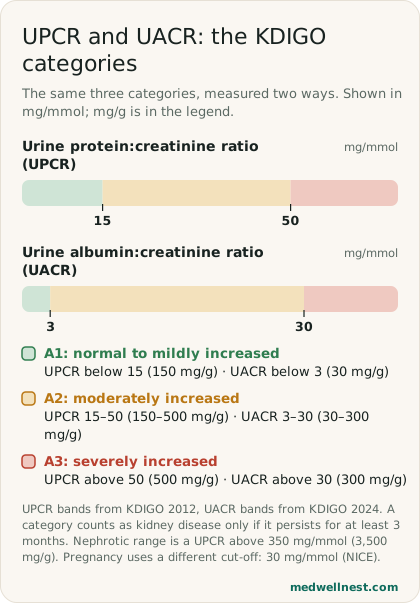
KDIGO groups protein leak into three categories. For UPCR, from KDIGO's 2012 table: A1, normal to mildly increased, is below 15 mg/mmol (150 mg/g); A2, moderately increased, is 15 to 50 mg/mmol (150 to 500 mg/g); A3, severely increased, is above 50 mg/mmol (500 mg/g). For UACR, KDIGO 2024 uses below 3 mg/mmol (30 mg/g), 3 to 30 mg/mmol (30 to 300 mg/g), and above 30 mg/mmol (300 mg/g). KDIGO stresses that the match between the two tests is approximate.
At the far end is nephrotic-range proteinuria, which KDIGO defines as a UPCR above 350 mg/mmol (3,500 mg/g), or more than 3.5 grams of protein in 24 hours. The NIDDK describes nephrotic syndrome as heavy protein loss together with low blood albumin, swelling (often puffy eyelids and swollen legs, ankles or feet), high cholesterol and foamy urine, with a higher risk of blood clots and infections.
04
One high result is a reason to repeat, not a verdict
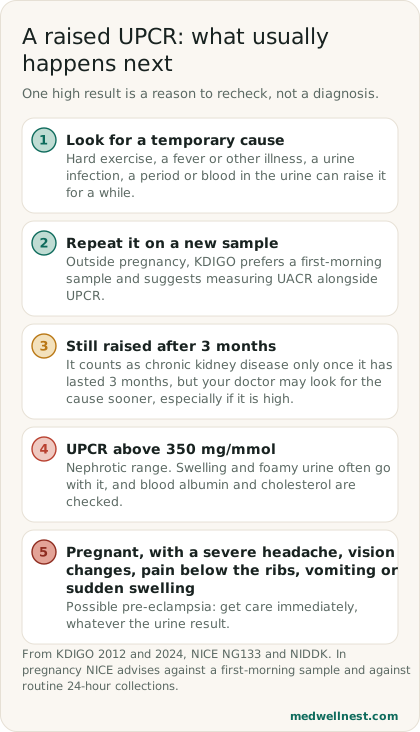
Protein in the urine can rise for a while for reasons that have nothing to do with kidney disease. KDIGO lists exercise, menstruation, blood in the urine and a symptomatic urine infection as causes of a falsely high ratio, and notes that protein can rise temporarily during an illness such as a fever. MedlinePlus adds strenuous exercise, dehydration, diet and stress. Women and people with low body weight pass less creatinine, which can make the ratio read higher.
So a raised result is usually repeated on a new sample, and outside pregnancy KDIGO prefers a first urine of the morning, collected midstream. Chronic kidney disease is diagnosed only when a kidney abnormality has lasted at least 3 months. MedlinePlus says that if urine protein stays high it is likely a sign of kidney disease or kidney damage from another condition, and your doctor will look for the cause alongside your creatinine and eGFR.
05
UPCR in pregnancy
Pregnancy follows different rules. NICE's guideline on hypertension in pregnancy (NG133) says that if a dipstick test shows 1+ protein or more, the protein should be measured with a UPCR or UACR. It sets 30 mg/mmol as the UPCR threshold for significant proteinuria, and 8 mg/mmol if UACR is used instead. If the result is at or above the threshold and the diagnosis is still uncertain, it suggests re-testing on a new sample alongside a clinical review.
Unlike KDIGO's advice outside pregnancy, NICE says not to use the first urine of the morning to measure protein in pregnancy. It defines pre-eclampsia as new high blood pressure (top number 140 or more, or bottom number 90 mmHg or more) after 20 weeks of pregnancy together with significant proteinuria or signs that another organ, such as the liver, kidneys, blood or brain, is affected. Pre-eclampsia can therefore be present even when the urine protein is below the threshold.
06
Symptoms that cannot wait
NICE advises pregnant women to see a healthcare professional immediately if they have symptoms of pre-eclampsia: a severe headache, problems with vision such as blurring or flashing lights, severe pain just below the ribs, vomiting, or sudden swelling of the face, hands or feet. The NHS adds feeling very unwell and heartburn that does not go away with heartburn medicines, and says these symptoms need urgent help in the first few weeks after the birth too.
Do not wait for a urine result or the next routine check if any of these appear. Outside pregnancy, new swelling of the eyelids, legs or belly with foamy urine is a reason to see a doctor soon and have your urine and blood albumin checked.
When to act
Emergency — act now
Pregnant or given birth in the last few weeks, with a severe headache, blurred vision or flashing lights, severe pain just below the ribs, heartburn that antacids do not ease, vomiting, sudden swelling of the face, hands or feet, or feeling very unwell: get medical care immediately at your maternity unit or an emergency department. A fit (seizure), trouble breathing or chest pain: call emergency services now. These can be signs of pre-eclampsia, whatever your urine result says.
Routine — see a doctor
A single raised UPCR with no symptoms: repeat the test on a new sample, avoiding hard exercise, a fever, a urine infection or your period, and show both results to your doctor.
A UPCR that stays raised on repeat tests, or new swelling of the eyelids, legs or belly with foamy urine: see your doctor soon for kidney tests, including creatinine, eGFR and blood albumin.
Values mentioned in this story
Each one opens a visual guide with its normal range and what moves it — upload a report and we place your own numbers on the same scale.
Sources
- KDIGO 2024 Clinical Practice Guideline for the Evaluation and Management of Chronic Kidney Disease — KDIGOkdigo.org
- KDIGO 2012 Clinical Practice Guideline for the Evaluation and Management of Chronic Kidney Disease (PDF) — KDIGOkdigo.org
- Hypertension in pregnancy: diagnosis and management (NG133) — NICEnice.org.uk
- Protein in Urine — MedlinePlus Lab Testsmedlineplus.gov
- Nephrotic Syndrome in Adults — NIDDKniddk.nih.gov
- Pre-eclampsia — NHSnhs.uk
Share this story
Curious where your own values stand?
Two minutes from upload to a full visual picture. Free to analyze.