In short
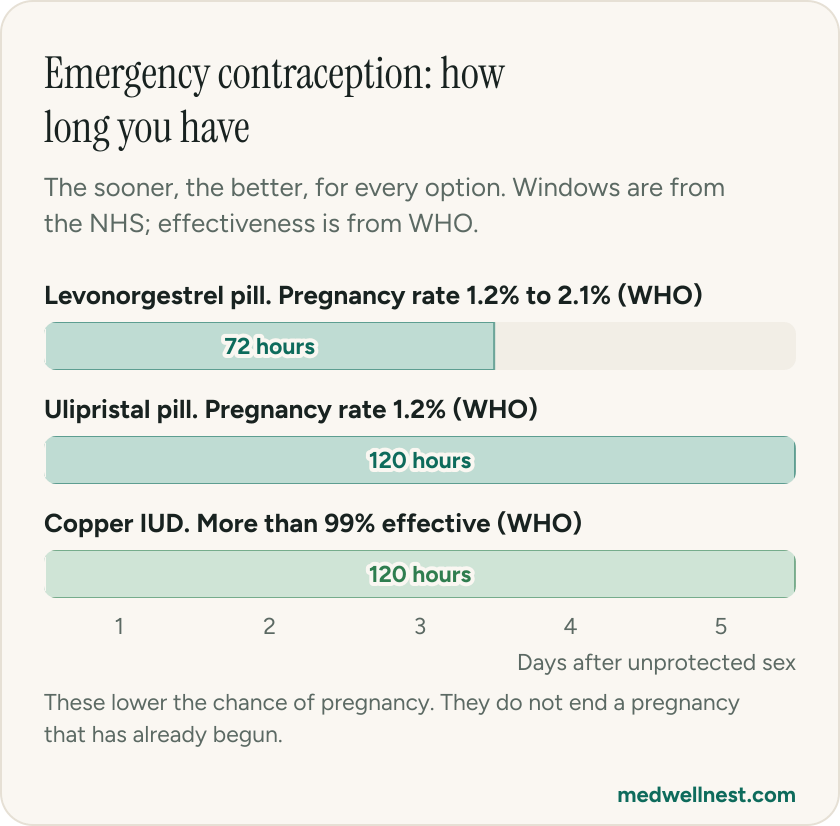
Emergency contraception can lower the chance of pregnancy after unprotected sex: a levonorgestrel pill within 3 days (72 hours), an ulipristal pill or a copper IUD within 5 days (120 hours). The sooner the better. It does not end a pregnancy and does not protect against STIs.
Emergency if: You have severe lower tummy pain in the weeks after taking the pill (MedlinePlus says 3 to 5 weeks after levonorgestrel), or sudden sharp pain with dizziness, fainting, feeling sick or looking very pale: go to an emergency department now, or call emergency services now. MedlinePlus says to call your doctor immediately for severe lower abdominal pain, and the NHS says this combination can mean a ruptured ectopic pregnancy, which can be life threatening.
On this page
01
How many hours after sex can I take the emergency pill? Is 72 hours the limit?
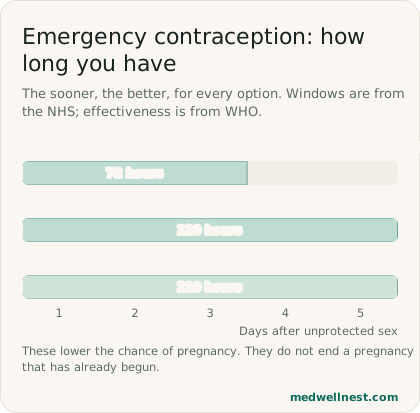
No, 72 hours is the limit for only one of the options. The NHS lists three: a levonorgestrel pill, which it says to take within 3 days (72 hours) of sex; an ulipristal pill, within 5 days (120 hours); and a copper IUD, a small T-shaped device that a trained doctor or nurse fits in the womb, within 5 days (120 hours). WHO says emergency contraception is recommended within 5 days but works better the sooner it is used, so do not wait for the end of a window.
On how well they work, the NHS says research suggests around 1 to 2 women in every 100 who take an emergency pill will get pregnant, and that the copper IUD is the most effective method. WHO quotes pregnancy rates of 1.2% with ulipristal and 1.2% to 2.1% with levonorgestrel, says ulipristal works better than the other pills between 72 and 120 hours, and says a copper IUD fitted within 120 hours is more than 99% effective. Which options you can get, and whether you need a prescription, differ from place to place, so ask a pharmacist or doctor what is available near you. A copper IUD always has to be fitted by a trained doctor or nurse. This story gives no doses; follow the pack or the pharmacist's instructions.
02
Does the emergency pill work if I am overweight?
It may work less well, and the sources agree on the direction but not on a cut-off. WHO says emergency pills were found to be less effective in women with a BMI above 30, that there are no safety concerns, and that women with obesity should not be denied emergency contraception. ACOG says being overweight or obese may decrease the effectiveness of the pills and that the copper IUD is effective at any weight. The NHS says the pill may not be suitable if you are overweight, and that a doctor, nurse or pharmacist can discuss which option suits you.
Weight is not the only thing to mention. The NHS asks you to get advice before taking the pill if you take medicine for TB, epilepsy or HIV, griseofulvin (an antifungal), St John's wort, or steroid medicines for asthma, because you may be advised to have a copper IUD fitted instead. It also says you can use the emergency pill while breastfeeding. If you are unsure, tell the pharmacist your weight and your medicines and ask, rather than going without.
03
What are the side effects of the emergency pill, and what if I vomit?
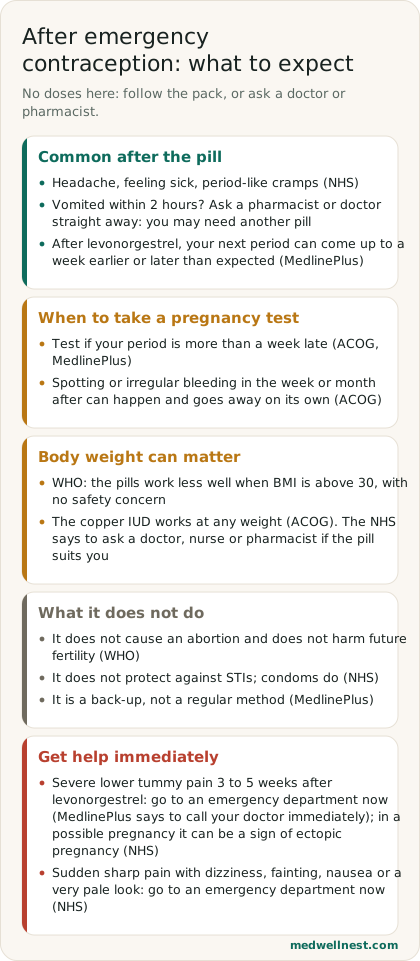
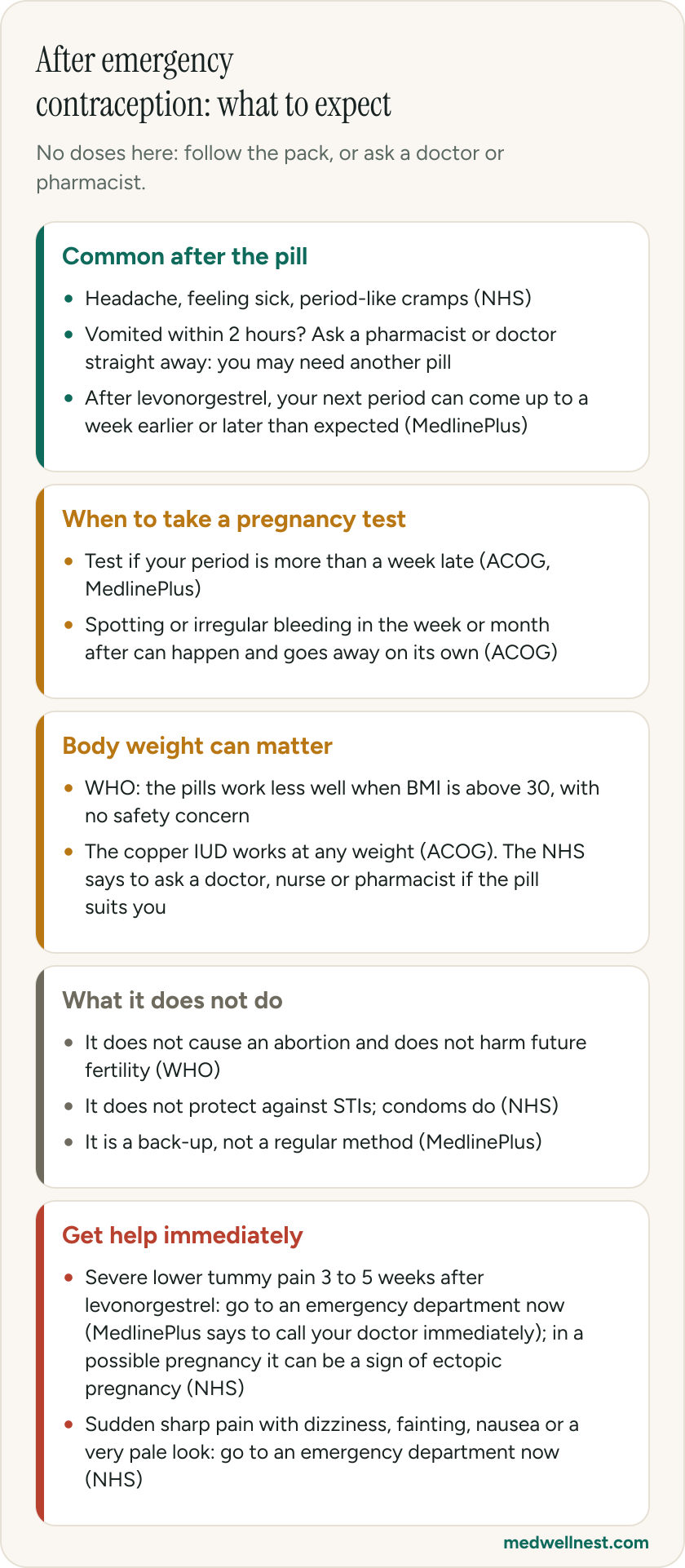
The NHS says the emergency pill is very safe and serious side effects are rare. Common side effects are headache, feeling sick and period-like cramping. ACOG adds breast tenderness, abdominal pain, dizziness and fatigue, and says the pills have not been shown to cause serious complications. WHO calls the side effects mild and says they normally resolve without further medicine.
If you vomit within 2 hours of taking a pill, the NHS says you may need another dose as soon as possible and to talk to a pharmacist, and WHO also says the dose should be repeated. Ask a pharmacist or doctor straight away rather than guessing, because what you need depends on which pill you took.
04
When will my period come after the emergency pill, and when should I do a pregnancy test?
MedlinePlus says it is normal for the next period to begin up to a week earlier or later than expected after levonorgestrel. ACOG says your next period may not come at the expected time and that irregular bleeding or spotting in the week or month after the pills goes away on its own. ACOG adds that no tests or procedures are needed after taking emergency contraception.
ACOG says to take a pregnancy test if you have not had a period within a week of when you expect it, and MedlinePlus says to call your doctor if the period is more than a week late, because you may be pregnant. Our guides on faint lines on a pregnancy test and on a late period with a negative test explain how testing works and when to repeat it. If you do turn out to be pregnant, WHO says the pills cannot interrupt an established pregnancy or harm a developing embryo, and ACOG says none of them have been shown to harm a pregnancy.
05
Is the emergency pill an abortion pill? Can it harm my future fertility?
No to both. WHO says emergency pills prevent pregnancy by preventing or delaying ovulation, that they do not induce an abortion, and that emergency contraception cannot interrupt an established pregnancy. ACOG says an abortion ends an existing pregnancy while emergency contraception prevents one from occurring, and that it does not work if pregnancy has already occurred. WHO says the drugs do not harm future fertility and that there is no delay in the return to fertility.
Because the pills delay ovulation, you can become pregnant again soon after taking one. MedlinePlus says to continue your regular birth control or begin one immediately. ACOG says that if you used ulipristal and want to start a hormonal method, you should wait 5 days after taking it and use a barrier method, or avoid sex, until your next period. A copper IUD fitted as emergency contraception can stay as your usual method, and the NHS says it lasts 5 or 10 years depending on the type.
06
Does it protect against STIs? Can I use it as regular contraception?
It does not protect against sexually transmitted infections. The NHS says the pill does not stop you getting or passing on STIs and advises a condom every time you have sex, and ACOG says to see a doctor if you are at risk of an STI after unprotected sex.
It is a back-up, not a regular method. MedlinePlus says levonorgestrel should not be used to prevent pregnancy on a regular basis, and ACOG says the pills can be used more than once in a cycle but are not as effective as using a regular method consistently and correctly, and may cause more side effects. WHO says frequent use can cause menstrual irregularities, although repeated use poses no known health risks. If you find yourself needing it often, our contraception guide sets out the regular options to talk through with a clinician.
07
What if more than 5 days have passed since sex?
The sources describe options only up to 5 days (120 hours), so none of them says a pill or an IUD will work after that. If more than 5 days have passed, ask a doctor or pharmacist what to do next, and plan a pregnancy test if your period is late. The ectopic pregnancy guide on this site explains the pain and bleeding signs that need fast assessment in any possible pregnancy.
When to act
Emergency — act now
You have severe lower tummy pain in the weeks after taking the pill (MedlinePlus says 3 to 5 weeks after levonorgestrel), or sudden sharp pain with dizziness, fainting, feeling sick or looking very pale: go to an emergency department now, or call emergency services now. MedlinePlus says to call your doctor immediately for severe lower abdominal pain, and the NHS says this combination can mean a ruptured ectopic pregnancy, which can be life threatening.
Same-day — call promptly
You vomited within 2 hours of taking the pill: speak to a pharmacist or doctor today, because the NHS says you may need another pill. You may be pregnant and have low tummy pain on one side, vaginal bleeding or brown watery discharge, or pain in the tip of your shoulder: see a doctor today. The NHS says an ectopic pregnancy needs advice right away.
Routine — see a doctor
Your period is more than a week late, you are using emergency contraception more than once, or you take medicines or have a body weight that may change which option suits you: speak to a doctor or pharmacist and take a pregnancy test. Ask about a regular method; ACOG and MedlinePlus say emergency contraception is not meant for regular use.
Sources
Share this story
Curious where your own values stand?
Two minutes from upload to a full visual picture. Free to analyze.